
Oil Flows Through Hormuz Strait Maintain Steady Pace Amid Challenges
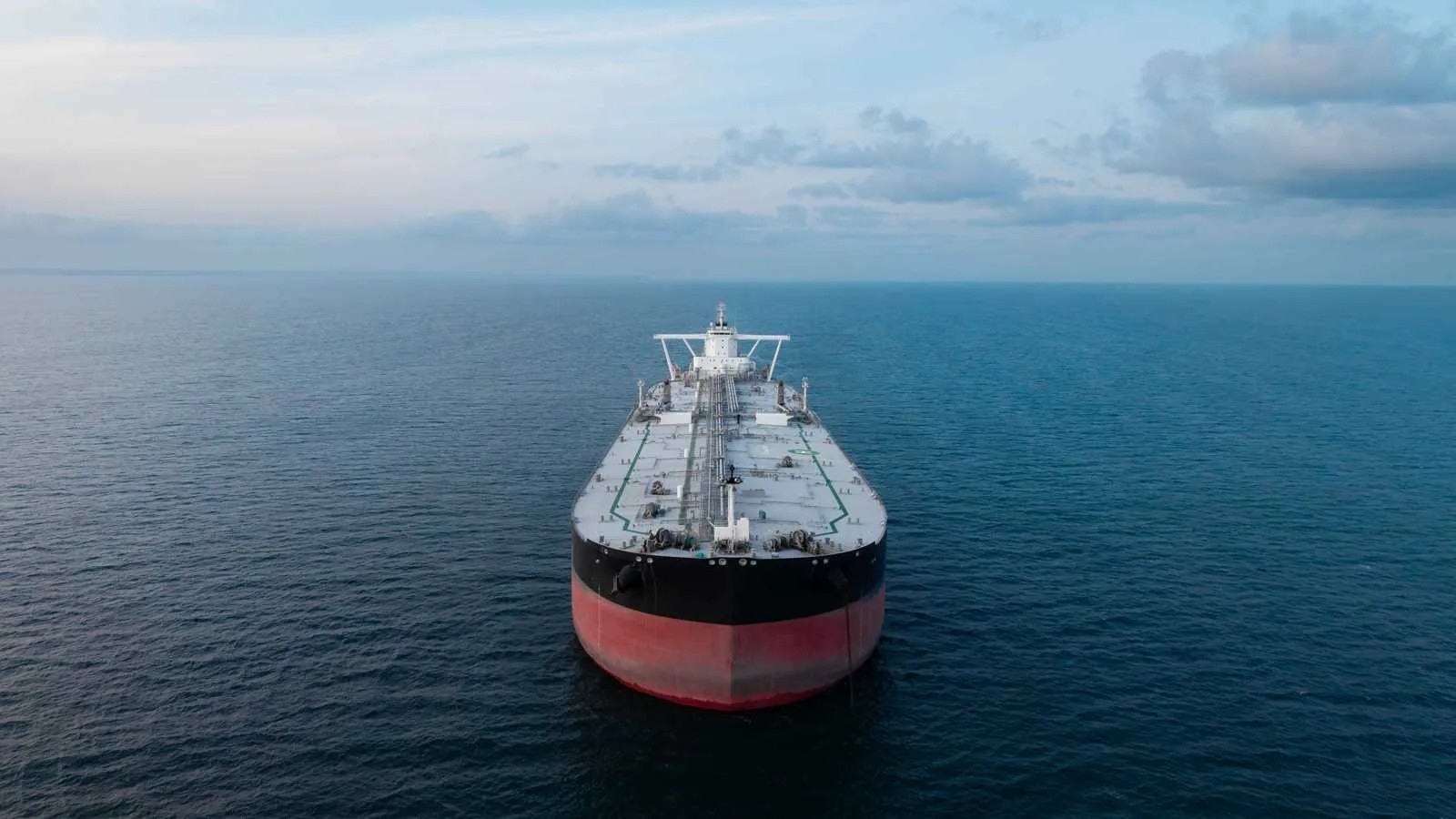
Preliminary ship tracking data from Kepler indicates that crude oil flows from the Strait of Hormuz maintained a pace close to previous week's levels in recent days, registering significant traffic through the vital waterway. The movement included 19 tankers, 17 of which were supertankers capable of carrying two million barrels of oil each. Saudi crude shipments led the traffic, followed by Iraqi crude. Crude oil flows from the Strait totaled 33.7 million barrels since last Sunday, compared to 49.2 million barrels during the entire previous week, Kepler reported. A US official, speaking anonymously to Reuters, stated that approximately 60 commercial vessels of various sizes transited the Strait of Hormuz last Wednesday, carrying the largest daily volume of oil since early July. Separately, Saudi Aramco increased its exports via the Strait of Hormuz following shipment disruptions from Yanbu port on the Red Sea, after attacks targeted the East-West pipeline earlier this month. Kepler data also revealed a drop in cargo ships transiting the Strait last Thursday to nine vessels, from 14 the day prior. Kepler notes other vessels sail with transponders off, thus uncounted. Of the nine observed vessels, eight exited the Strait, and one entered. The 10-day average for transiting vessels is 18, according to Kepler. Before the Iran war on February 28, the Strait typically saw about 125 large commercial vessels daily, including oil, gas, bulk, and container ships, representing approximately 20% of global daily crude oil and LNG supplies.