Oil and Export Challenges Amplify Government's Anticipated Financial Deficit
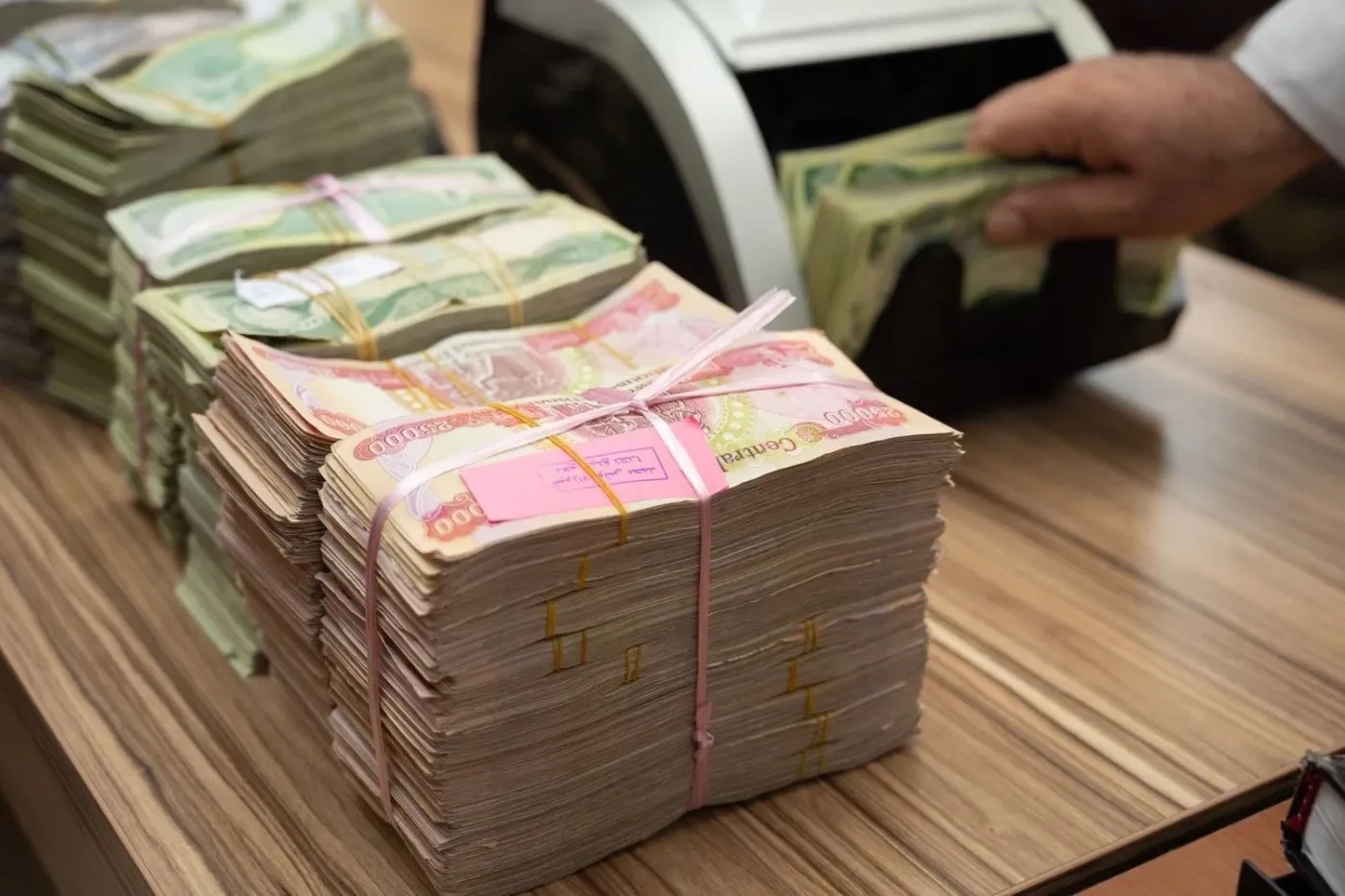
Financial advisor to the Prime Minister, Mudhar Mohammad Saleh, revealed that an oil price gap of between $5 and $7 per barrel has raised the anticipated financial deficit to between 70 and 80 trillion Iraqi dinars. Saleh explained that addressing this deficit, amidst the current challenges facing the Iraqi economy, relies on two main factors: a decline in oil prices below the budget's adopted levels, and a reduction in exported oil quantities. He added that the first constraint is the persistence of oil prices below the budget's adopted price of $60 per barrel. He noted that this gap pushed the anticipated deficit to 70-80 trillion dinars, exceeding the planned ceiling of 64 trillion dinars. He further stated that this decline imposed challenges on the government in managing investment and service projects, necessitating the rescheduling of over 1,800 stalled projects. Priority was given to completing vital projects in the water, health, and education sectors, while non-essential ones were postponed until funding becomes available. The second constraint, according to Saleh, relates to a decrease in oil export levels during 2026. He clarified that exported quantities over the past six months fell by 90 percent compared to rates before the Gulf War crisis and the closure of the Strait of Hormuz on February 28th, which also contributed to raising the anticipated deficit to 70-80 trillion dinars, surpassing the budget's set ceiling. Saleh affirmed that these developments have made financial discipline a top priority for current policy, emphasizing that rationalizing expenditure has become an inescapable choice. The government has taken measures to reduce operational expenses, and expanded automation and e-governance to control institutional performance and enhance the efficiency of public fund management. Regarding revenues, Saleh confirmed the government's efforts to increase non-oil revenues, which amounted to about 16 percent of the total budget at the beginning of 2026 (equivalent to 6.4 trillion dinars). It aims to raise this percentage to between 45-46 percent over the next decade. He pointed out that achieving this goal depends on reforming the tax system through implementing the Integrated Tax Administration System (ITAS), expanding the taxpayer base, and activating the ASYCUDA customs system to curb evasion and maximize border crossing revenues. The Prime Minister's advisor affirmed that the government relies on stimulating non-oil sectors, such as agriculture, manufacturing, transport and logistics, and religious and cultural tourism, to compensate for the decline in oil revenues. Saleh stressed that the current financial challenges, despite their difficulty, represent a real opportunity to restructure the Iraqi economy on more balanced and sustainable foundations. This involves accelerating financial and economic reforms, enhancing the efficiency of resource management, and expanding the private sector's role, thereby contributing to building an economy less affected by oil market fluctuations and more capable of achieving financial stability and supporting long-term development.