Ministry of Transport: Grand Faw Port Nears Trial Operation, Development Road Reaches 90% Completion
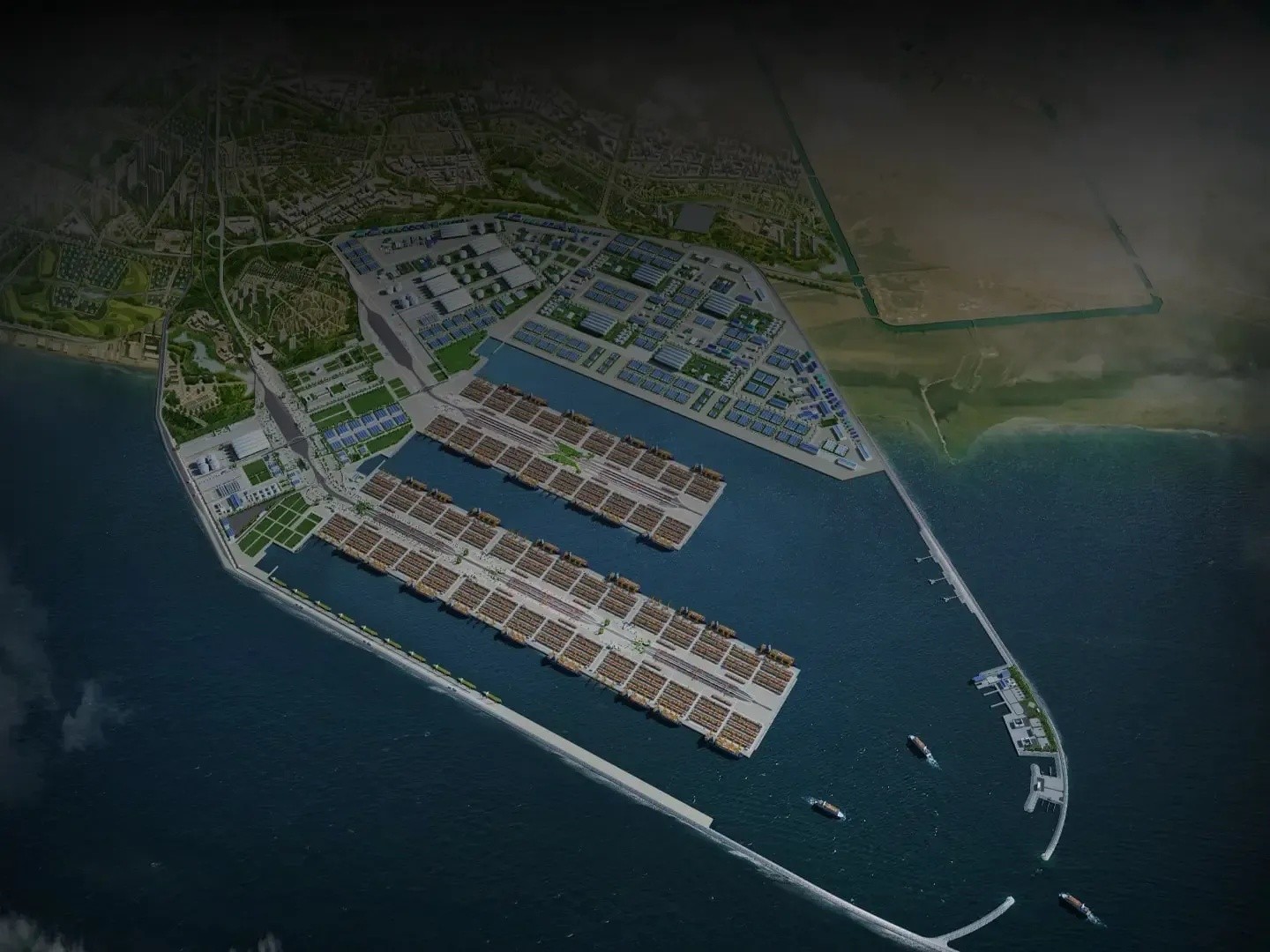
Iraq's Ministry of Transport announced on Friday the achievement of advanced completion rates in the Grand Faw Port projects, confirming that the project will enter the trial operation phase once works are completed and a suitable environment is provided. The ministry also noted that over 90 percent of the strategic Development Road plans have been finalized. Hussein Ahmed, the Director of Media and Government Communications at the Ministry, stated that the Grand Faw Port project is witnessing tangible progress in its works. The submerged tunnel's completion rate has reached 98 percent, while the exchange yard stands at 90 percent, in addition to the full completion of all five berths. Ahmed clarified that some equipment experienced malfunctions due to the Strait of Hormuz crisis after the essential project works, including berths and exchange yards, were completed. He indicated that the project would move to the trial operation phase, but this stage requires a secure environment. The start of trial operation depends on the resolution of the Strait of Hormuz issue, as progress cannot be made under the current circumstances. The official further added that works will be fully completed, and once suitable general conditions are met, the trial phase will commence, followed by the transition to actual operation, which could be either entirely Iraqi-managed or through partnerships. Regarding discussions about the port's competition with other regional projects, Ahmed reported a campaign by "misinformed" parties targeting the project to portray it as a rival to similar initiatives in the region. He affirmed that "the project does not compete with any other projects; rather, it complements them, as it will form the main artery of the strategic Development Road project." He added that "the port's operation will create economic opportunities and enhance Iraq's position as a strategic regional hub for transport projects and economic cooperation." Ahmed explained that these projects represent "sustainable peace," as described by the Minister of Transport, given that economic cooperation and transport projects constitute a "sustainable peace project among nations," making these economic initiatives integral to other endeavors. Concerning the Development Road project, Ahmed mentioned that last July saw the signing of a memorandum of understanding with the Turkish side during the visit of a government delegation, led by the Prime Minister and accompanied by the Minister of Transport, to Turkey. This was followed by preparatory meetings and minutes that paved the way for the final draft of the joint cooperation agreement on developing transport projects and infrastructure. He noted that multiple bodies and ministries, in addition to the Central Bank and the Ministry of Oil, contributed to drafting the agreement, part of which relates to the Development Road project. He clarified that the agreement is comprehensive for developing infrastructure and cooperation in the transport sector, including the strategic Development Road project. Ahmed further stated that the final draft is currently back with the relevant authorities in both Turkey and Iraq for review and feedback, in preparation for the signing and ratification of the agreement within Parliament and the Presidency of the Republic. He pointed out that the contracting phase follows the agreement's completion, as each project goes through three stages: the memorandum of understanding, then the agreement, and finally the contracting. He emphasized that the completion of the memorandum of understanding and the final draft in a short period reflects a high level of seriousness in implementing the project. He revealed that the full designs for the Development Road would be announced soon, as the Spanish company has completed over 90 percent of the land road and railway line plans. He concluded his statements by explaining that the designation of the Faysh Khabur point played a significant role in facilitating the determination of the railway line and land road's route, especially after a section spanning 90 to 100 kilometers was previously undefined. He confirmed that settling the crossing point helped accelerate the completion rate of the plans, which will be announced in the upcoming phase.