Middle East Continues Oil and Gas Shipments Despite Heightened Security Tensions
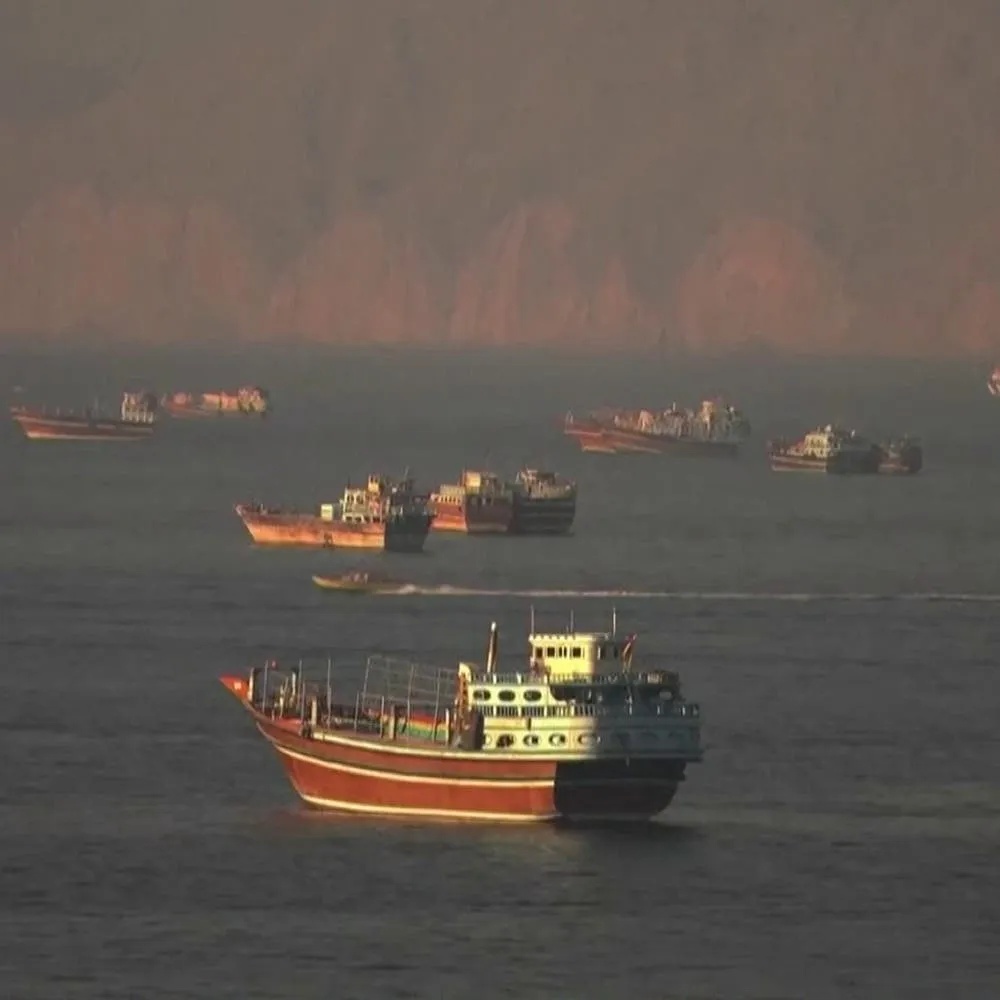
Middle East oil and gas producers continue shipments and exports despite renewed attacks on vessels in the Strait of Hormuz and escalating US-Iran tensions. Shipping traffic in the Strait slowed following two attacks on a container ship and an oil tanker Thursday and Saturday. This led to renewed confrontations, threatening a temporary US-Tehran agreement. However, a US official stated Sunday that both countries agreed to suspend hostilities and resume negotiations on this vital waterway. Shipping tracking data for Monday revealed a fourth supertanker, with a capacity of two million barrels, being loaded at Saudi Arabia's Ras Tanura port. Three other supertankers had left the port earlier in the week, turning off tracking systems, before one reappeared today after exiting the Strait, en route to Japan. Data also indicated two supertankers entered the Strait Sunday, anchoring at an Emirati port for crude oil loading. ADNOC refrained from commenting on its vessels' locations or routes. In a parallel development, Iran is accelerating oil loading after Washington suspended sanctions on its exports for 60 days. Marine intelligence firms reported Tehran loaded oil simultaneously from its two main Kharg Island export ports Saturday, the first time in approximately a week. Shipping tracking data also pointed to two Iranian-flagged supertankers entering the Strait Saturday. Approximately eight million barrels of Emirati and Qatari crude oil were shipped aboard four supertankers earlier in the week. Regarding LNG, tracking data observed two additional tankers west of the Strait on June 26, while two other LNG-laden tankers exited Hormuz at week's start.