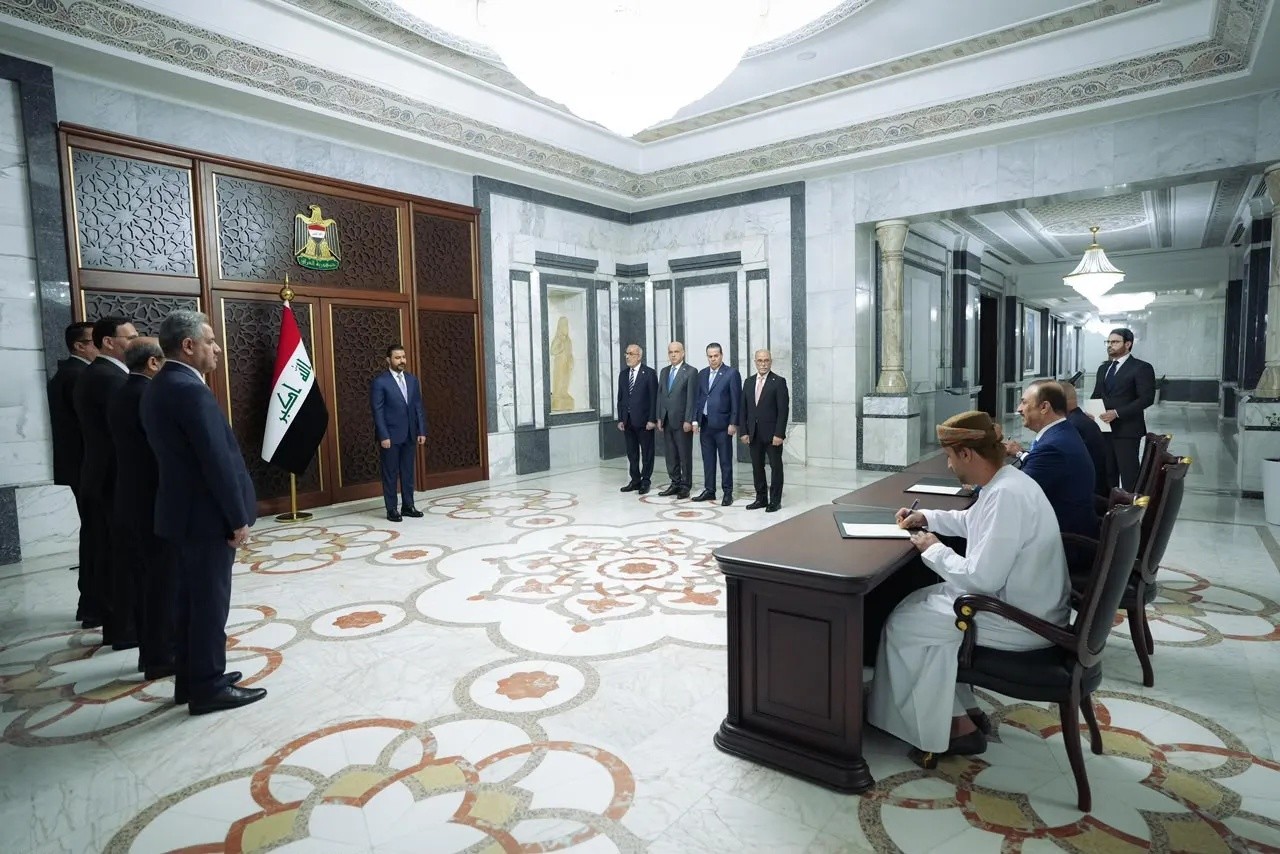
Iraqi Transport Ministry Opens 7 New International Transit Routes, Enhances Competitive Trade Corridor Role
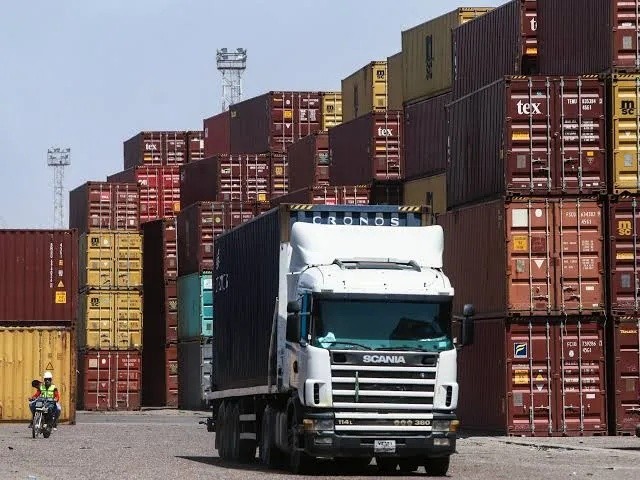
The Ministry of Transport announced Sunday the opening of seven new international transit routes within eight months, confirming Iraq's transformation into a regional logistics hub. Israa Hanoun, Director of Land Transport Management at the Ministry, stated to the official newspaper that the Ministry aims to solidify Iraq's position as a central transport and transit hub connecting the Arabian Gulf, Turkey, and Europe. This is achieved by developing and linking land, rail, and port networks into a multi-modal transport system. Hanoun explained the Ministry is actively implementing and expanding the International Road Transport (TIR) system, opening new international routes, and simplifying border and customs procedures. It also promotes digital transformation and coordination among relevant entities, alongside strategic projects. These steps reduce truck transit times and enhance Iraq's competitiveness as a trade corridor, especially since the TIR system became operational on April 1, 2025. She added that transit traffic has shown clear growth since the TIR system's implementation, per an IRU statement. The year 2026 saw expanded international routes, with seven new transit routes opened within eight months, indicating accelerated use of Iraqi territory as an international transport corridor. The objective is not limited to increasing truck numbers; it also involves gradually achieving large and sustainable transit movement, by improving efficiency of border crossings, roads, and logistics services to enable Iraq to attract a larger share of trade between Asia, the Gulf, Turkey, and Europe. Hanoun noted Iraqi transit routes are experiencing increasing traffic to and from countries such as Turkey, the GCC states, Jordan, and Saudi Arabia, with gradual links to routes towards Central Asia and Europe. Turkey stands out as an important gateway to European markets, while Iraq represents a natural and pivotal link between Turkey and the Gulf, and between regional countries and Central Asia. Recent activation of new routes towards Saudi Arabia and Turkmenistan reflects the expansion and diversification of Iraq's transit network, a crucial indicator of Iraq's transformation from a limited transit state to a potential regional logistics and international transport hub. Hanoun affirmed Iraq possesses an infrastructure base that qualifies it for a regional role, but it requires continuous development and expansion to keep pace with anticipated increase in transit movement. While essential infrastructure (roads, border crossings, ports, railways) is present, accommodating numerous trucks necessitates developing inspection and waiting areas, logistics centers, electronic integration, truck scales, and rest stops. Additionally, the efficiency of roads and border crossings must be enhanced, and customs and border procedures accelerated. Hanoun concluded by stating Iraq has actively initiated practical steps to become a regional trade corridor, including operating the TIR system, expanding transit routes, and developing border crossings and roads. The upcoming challenge is to transition from merely increasing truck numbers to building an integrated logistics system that positions Iraq as a competitive and sustainable choice for regional and international trade.