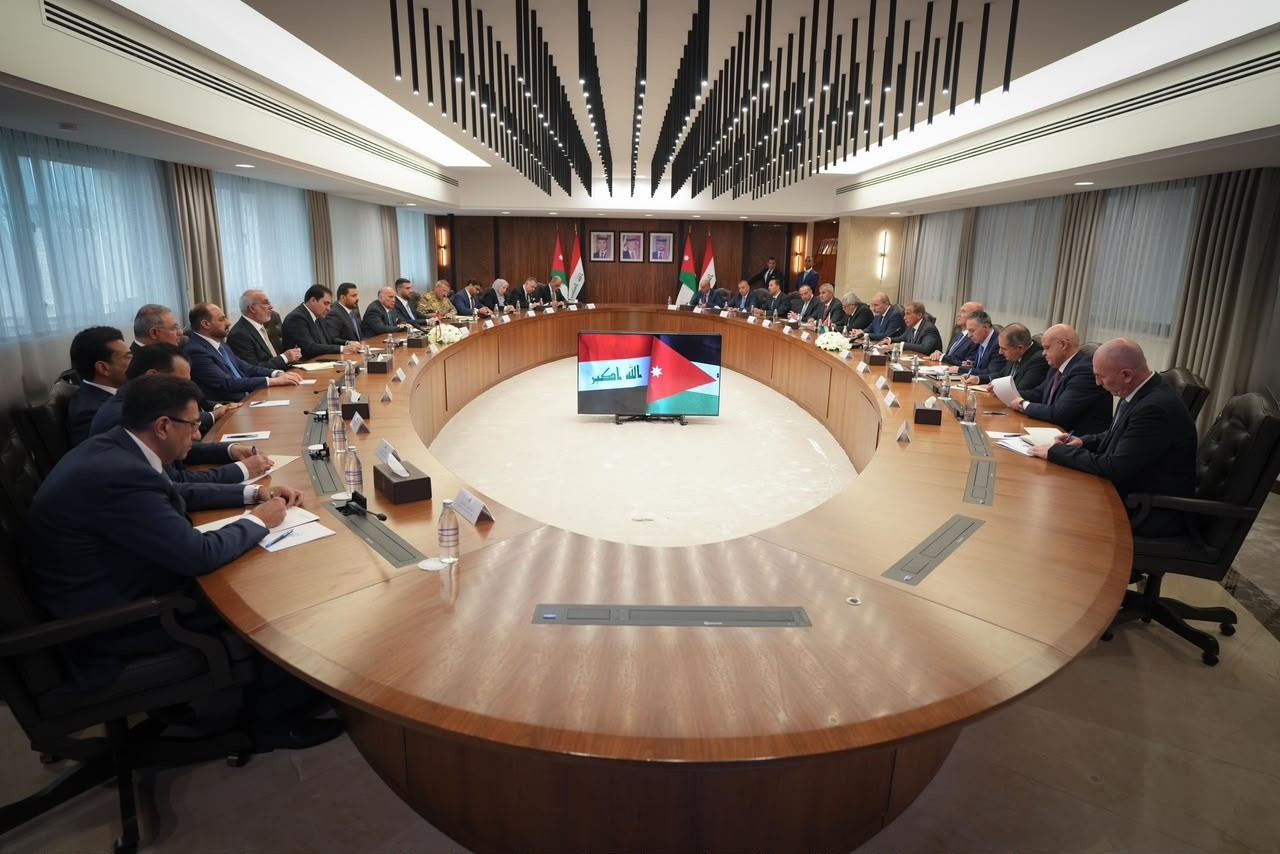
Iraq Aims to Raise Oil Production Cap to 6 Million BPD Amid OPEC+ Review
Iraq seeks a significant increase in its oil production quota, coinciding with OPEC+’s review of members' capacities to determine permissible volumes for the coming year. Bloomberg revealed, citing informed sources due to process confidentiality, that Iraq, the organization's second-largest producer, aims to base future targets on 6 million barrels per day, a considerable rise from its current output. Iraq hinted in June at potentially withdrawing from the organization if it didn't secure a sufficiently high baseline. This could harm the alliance, recently shaken by the UAE's exit. OPEC+ commissioned an external consultant to assess each country's maximum actual production, to align quotas with practical realities. The assessment is scheduled for completion by month-end, with oil ministers' ratification at their late-November meeting. Review outcomes are significantly important for global oil market balance, especially if Iran war-disrupted Gulf exports resume and potential oversupply returns. The decision will also impact Chevron and ExxonMobil negotiations for their return to Iraq. The decision could be crucial for OPEC's unity, facing increasing tensions, particularly as Venezuela, another founding member, considers withdrawal after a deal with US President Donald Trump granting Washington significant control over part of its oil reserves. Iraqi officials expressed their ambitions; Oil Minister Basim Mohammed Khdeir al-Abbadi stated in May Iraq is holding talks with OPEC to raise production to 5 million barrels per day post-Iran war. Prime Minister Ali al-Zaidi announced this month that the country aims to reach 10 million barrels per day by 2030. However, it remains uncertain if the 6 million bpd level will be acceptable. Iraq's OPEC+ ceiling for September and October is 4.431 million bpd, and the International Energy Agency estimates its sustainable capacity at around 4.9 million bpd. Current production is significantly lower due to the Iran war obstructing oil flow through Hormuz, with Iraq's average August output at 2.98 million bpd, per Bloomberg.