Iranian Gas Supplies to Iraq Decline, Worsening Electricity Crisis Amid Debt Accumulation
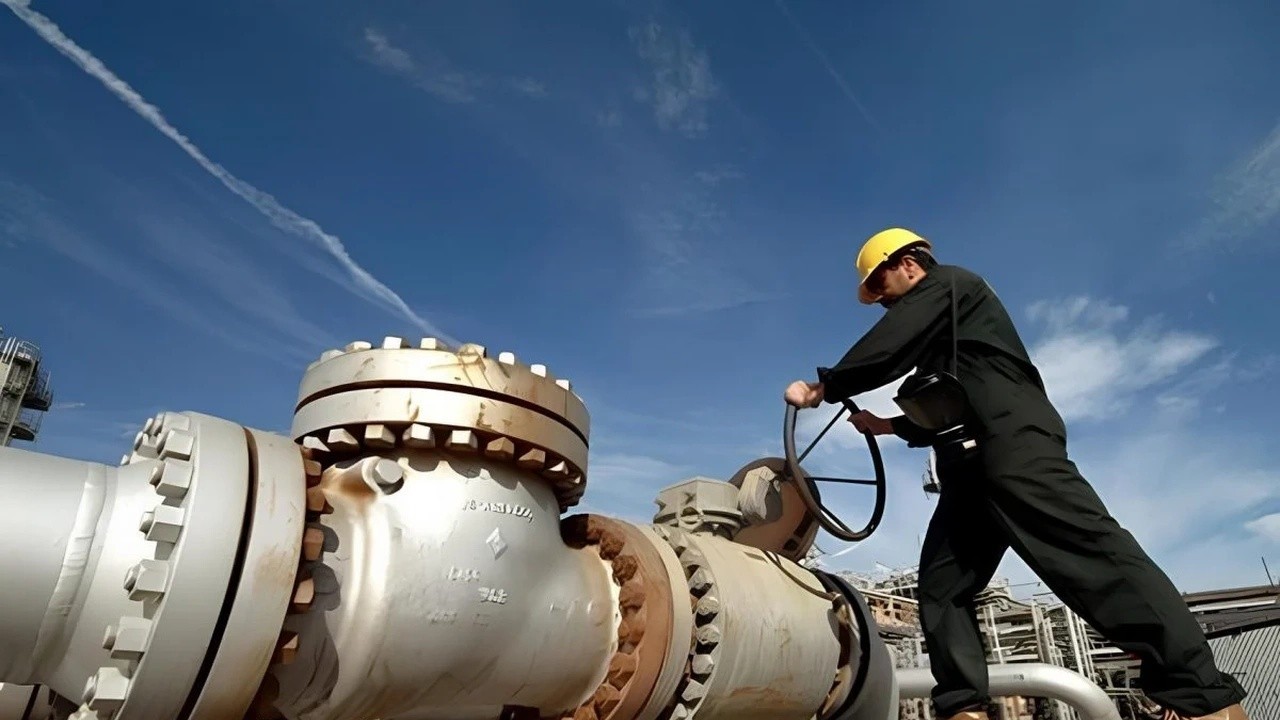
A report from a Washington-based energy platform revealed a decline in Iranian gas supplies to Iraq, dropping to 10.5 million cubic meters per day, with deliveries halted to southern regions and currently limited to central areas. This development could increase pressure on Iraq's electricity system. An informed Iraqi source explained that imported gas volumes from Iran decreased from levels ranging between 15 and 20 million cubic meters daily about a month ago to approximately 371 million standard cubic feet per day. The supply to central areas stands at 10.5 million cubic meters daily, while deliveries to southern regions have stopped due to increased domestic demand in Iran amid colder temperatures and supply shortages in Tehran, prompting reductions in exports, especially during cold waves. Iraq's electricity sector heavily depends on Iranian gas to operate several power plants, with these supplies covering between 30 and 40 percent of the plants' needs. Any reduction in imported quantities further complicates energy provision, particularly in central and southern regions. Iranian gas supplies have experienced frequent interruptions this year, leading the Ministry of Electricity to take emergency measures, including utilizing domestic gas and coordinating with the Ministry of Oil to provide alternative fuels such as red diesel. In March 2026, the cessation of Iranian gas supply following an attack on the South Pars field resulted in about 3,100 megawatts going offline. Agreements between Iraq and Iran include supply volumes ranging from 25 to 35 million cubic meters daily during winter, increasing to approximately 55 million cubic meters daily in summer. The supply reduction occurs amid growing U.S. pressure on Iraq to halt Iranian gas imports, while the Iraqi government seeks to convince Washington that these supplies are essential for power plant operations and cannot be immediately replaced. U.S. officials noted that Iranian supplies have been inconsistent over past years, with multiple interruptions that did not collapse the electricity system. Conversely, Iraq warned that a halt in supply could lead to a loss of about 8,000 megawatts of generation capacity, highlighting differing assessments between the two sides regarding the electricity system's ability to cope with Iranian gas disruptions. Simultaneously, Iraq faces a debt to Iran estimated at around $3 billion, complicated by restrictions and U.S. pressures affecting payment processes. These developments coincide with ongoing challenges in Iraq's electricity sector due to the gap between production and demand, as well as issues related to transmission and distribution networks, limiting the system's capacity to compensate for imported fuel shortages. Electricity production during peak times ranges between 16,000 and 17,000 megawatts, while actual demand exceeds 55,000 megawatts, underscoring the critical role of imported supplies in meeting demand, especially during summer.