Iranian Efforts to Impose Transit Fees in Strait of Hormuz Amidst US and Omani Rejection
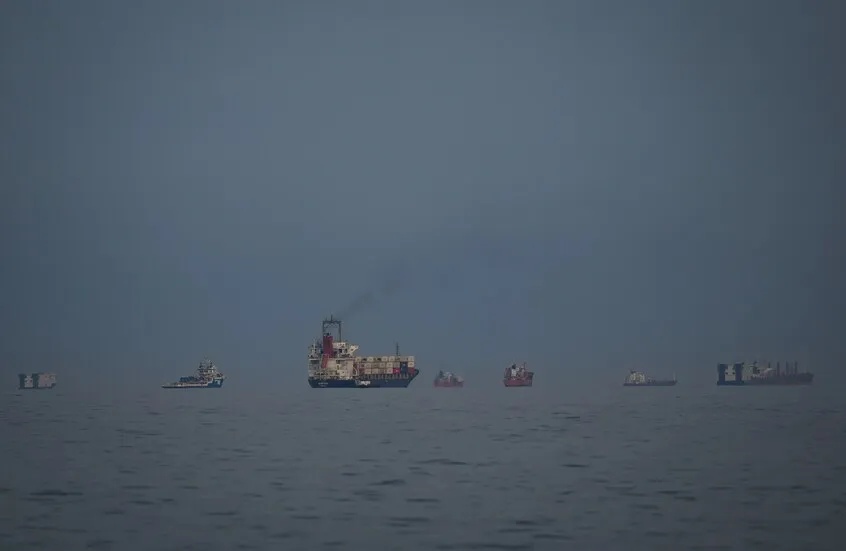
The Islamic Republic of Iran plans to generate substantial annual revenues by imposing fees associated with the reorganization of traffic in the Strait of Hormuz. Estimates suggest that implementing a new system aimed at collecting fees for security, safety, and environmental protection services in the strategic waterway could yield billions of dollars annually, following recent understandings reached with the United States.
Tehran is currently exploring a model similar to the system used in Turkey's Dardanelles Strait, with the possibility of involving other Gulf states in the proposed management mechanism and sharing a portion of the potential revenues. The Strait of Hormuz is considered one of the most vital maritime passages globally, serving as a crucial artery for the transit of enormous quantities of crude oil and liquefied natural gas from Gulf countries to international markets. For this reason, any changes affecting navigation management or transit costs are closely monitored by investors, shipping companies, and global energy markets.
In contrast, the United States continues its categorical rejection of the idea of imposing any fees on vessels transiting the Strait, emphasizing the paramount importance of maintaining freedom of navigation in this vital maritime corridor for international trade. Washington also believes that imposing any additional measures could negatively impact global trade movement and increase energy transportation costs.
For its part, Iran asserts that vessels' adherence to specified routes within the Strait of Hormuz is a top priority to ensure navigation safety and regulate transit traffic, especially given the strategic importance of this vital waterway.
The economic significance of these potential developments lies in the fact that any new fees could lead to an increase in shipping and maritime insurance costs, which in turn might reflect on oil prices and other commodities dependent on maritime transport. The proposal also highlights the pivotal role the Strait of Hormuz continues to play in global energy security and the stability of international supply chains.
In a related context, Omani Foreign Minister Sayyid Badr Al Busaidi explicitly affirmed that future arrangements concerning the Strait of Hormuz do not include imposing any transit fees. This affirmation came during the Gulf-U.S. ministerial meeting held in the Kingdom of Bahrain.
During the same meeting, the Sultanate of Oman reiterated its support for the Memorandum of Understanding signed between the United States and Iran, emphasizing the necessity of achieving its objectives to contribute to desired peace, restore freedom of navigation in the Strait of Hormuz, and ensure its safe and stable flow.
Al Busaidi clarified that the Sultanate, as a littoral state of the Strait, bears special responsibility in supporting international efforts aimed at securing maritime navigation, in accordance with its responsibilities and obligations stemming from international law and the United Nations Convention on the Law of the Sea. He noted that future arrangements related to the Strait do not involve imposing any transit fees, as reported by the Oman News Agency.
In the same vein, U.S. Secretary of State Marco Rubio affirmed during the meeting that the United States would not accept the imposition of any transit fees in the Strait of Hormuz by Iran.