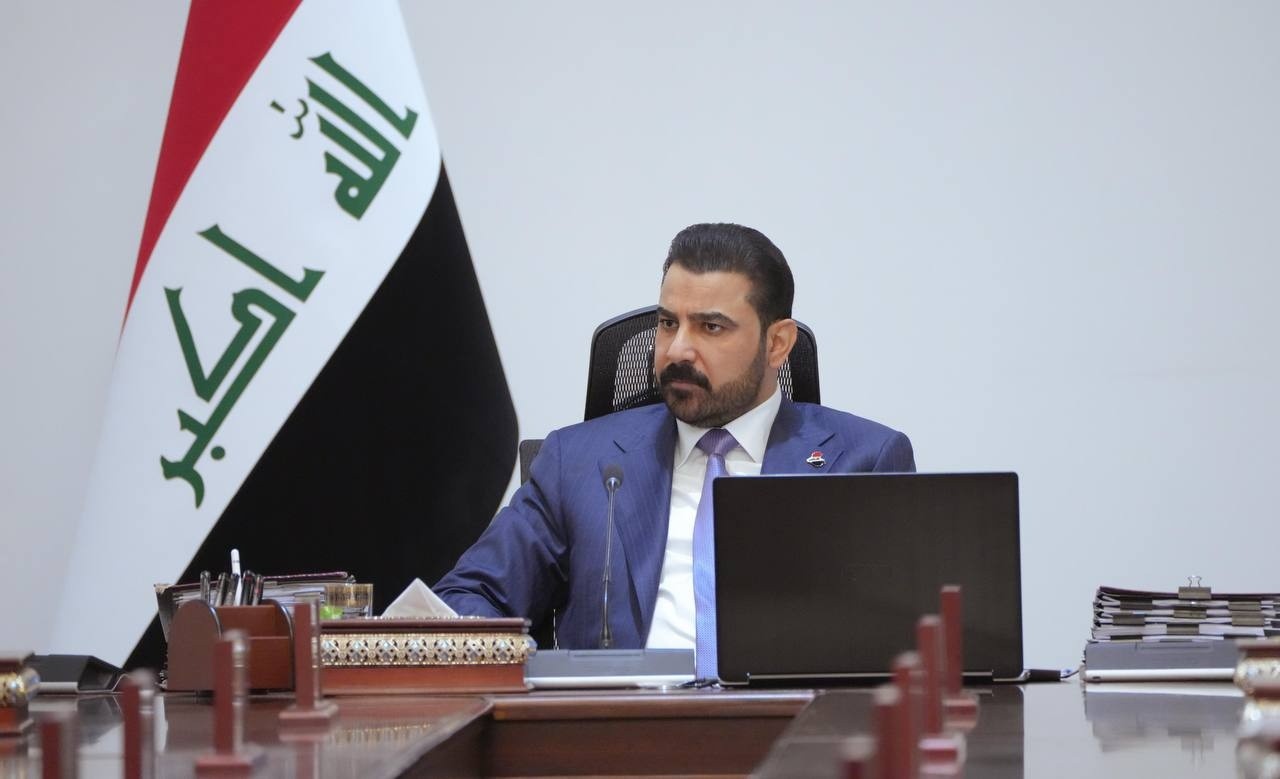
Federal Board of Supreme Audit Adopts Pre-Audit for Government Contracts

The Federal Board of Supreme Audit (FBSA) has announced the adoption of an innovative supervisory approach focused on the pre-audit of government contracts before their finalization. This move aims to enhance preventive and proactive oversight, curb irregularities, and reduce the waste of public funds. Qaisar Ghazi Al-Saadi, Deputy Head of the Federal Board of Supreme Audit, explained that this new supervisory direction, which follows directives from the Prime Minister, relies on a thorough examination of contract stages and procedures prior to the signing of the agreement. This approach replaces the previous method, which involved waiting for the contract to be finalized and implementation to begin before discovering violations at later stages. Al-Saadi noted that the primary objective is to shift from oversight focused on detecting irregularities and addressing their consequences after they occur, to strengthening preventive oversight. This proactive approach helps rectify deficiencies at an early stage, before they transform into financial or legal obligations for the state. Al-Saadi elaborated that the pre-audit mechanism will concentrate on several key aspects. These include the integrity of contracting procedures, ensuring fairness and transparency in competition among bidding companies, verifying the solidity and efficiency of executing companies, in addition to scrutinizing costs and prices to prevent overestimation. The audit will also encompass the alignment of contractual procedures with applicable laws, regulations, and instructions, the suitability of technical specifications to actual needs, and the adequacy of guarantees and penalty clauses to protect state rights. Al-Saadi emphasized that auditing the stages and procedures of contracting does not aim to impede contracting processes or usurp the decision-making authority of the contracting entity. Instead, this audit serves as a preventive line of defense, helping to correct flaws before they lead to public fund wastage, deviations in specifications, or poor project execution. To implement this decision, the Federal Board of Supreme Audit has initiated a series of practical measures. The FBSA's Supervisory Council issued a resolution to form specialized audit teams for contracts, comprising 7 teams in Baghdad and 14 in the provinces. This ensures broad coverage of contracts and entities subject to oversight. Al-Saadi added that the Board has also begun preparing specialized audit programs to standardize the supervisory methodology, guiding the formed teams to perform their duties according to clear standards and procedures, while focusing on critical risk areas in contracts. In line with digital transformation efforts and to accelerate workflow, Al-Saadi indicated that the FBSA is coordinating with the Digital Transformation Center, affiliated with the Prime Minister's Office, to develop an electronic platform. This platform aims to receive initial contract documents and transmit audit results, ensuring smooth procedures and rapid processing of transactions and audit findings. He also affirmed the engagement of experts and technical staff from consulting offices and professional syndicates, particularly in cases requiring specialized expertise, to audit complex technical specifications, estimated costs, and prices, thereby minimizing any deviations in specifications or price exaggerations. He clarified that the new mechanism is not limited to financial and legal auditing but aims to build an integrated supervisory system that combines financial, legal, and technical aspects, leveraging specialized expertise and digital transformation. Al-Saadi noted that the previous audit mechanism was based on auditing contracts after their signing and entry into force, selecting a sample of contracts according to the audit work plan, and then referring discovered violations to the relevant ministry or the Commission of Integrity depending on the severity of the violation. Although this method is practiced by supreme audit institutions in other countries and regions in accordance with international audit standards, previous pre-contract audit procedures fell under the responsibility of internal audit departments and directorates within government entities. The new direction represents an enhancement of the preventive role of financial oversight by entrusting the authority of pre-auditing contracts to the Federal Board of Supreme Audit, thus providing a specialized and independent supervisory body to examine contracts before their financial implications materialize. Al-Saadi asserted that resorting to this advanced mechanism does not necessarily imply the ineffectiveness of previous methods. Rather, it reflects the urgent need to evolve the oversight system to match the scale and complexity of government contracts and the increasing financial risks associated with them. The significance of the decision, according to Al-Saadi, lies in the fact that pre-auditing can establish an effective supervisory barrier before contracting. If the Board uncovers a fundamental flaw in procedures, conditions, or costs, government entities can address it before signing the contract. This is preferable to discovering it after signing and commencement of execution, where rectification becomes more challenging and could entail financial and legal obligations for the state, or lead to disputes and lawsuits. Al-Saadi underscored that strengthening preventive oversight over contracts can effectively contribute to limiting opportunities for financial and administrative corruption and mitigating its effects. A significant portion of corruption risks is linked to government contracting stages, whether through manipulation of awarding procedures, inflated prices and costs, passing specifications unsuitable for actual needs, or poor quality of materials and executed works relative to public expenditure. He stated that preventing corruption before it occurs is far better than detecting it after the fact, explaining that discovering a violation after contract execution might mean public funds have already been spent, making the rectification of the violation's effects more difficult and costly. He added that the presence of an independent supervisory body at this early stage enhances transparency, equal opportunities, and accountability, reducing the possibility of passing unjustified prices or non-compliant procedures before they reach the execution phase. He pointed out that corruption and manipulation methods evolve and take various forms, which necessitates that supervisory bodies continuously develop their tools and methods to keep pace with potential risks and fraudulent schemes in the finalization and execution of government contracts. He affirmed that the risks of corruption are not limited to the financial impact of squandering public funds but extend to deeper implications affecting citizens' trust in state institutions. He stressed that confronting corruption is not the responsibility of a single entity but an institutional and societal battle requiring the integration of roles among supervisory, executive, and legislative bodies, and enhancing transparency, accountability, and the application of law. He noted that the Federal Board of Supreme Audit, with its expertise and professional staff, is committed to performing its supervisory role with utmost professionalism, independence, and objectivity, contributing to the protection of public funds and enhancing the efficiency of government spending for the benefit of the state and its citizens.
Masella Voice Team
You Might Also Like
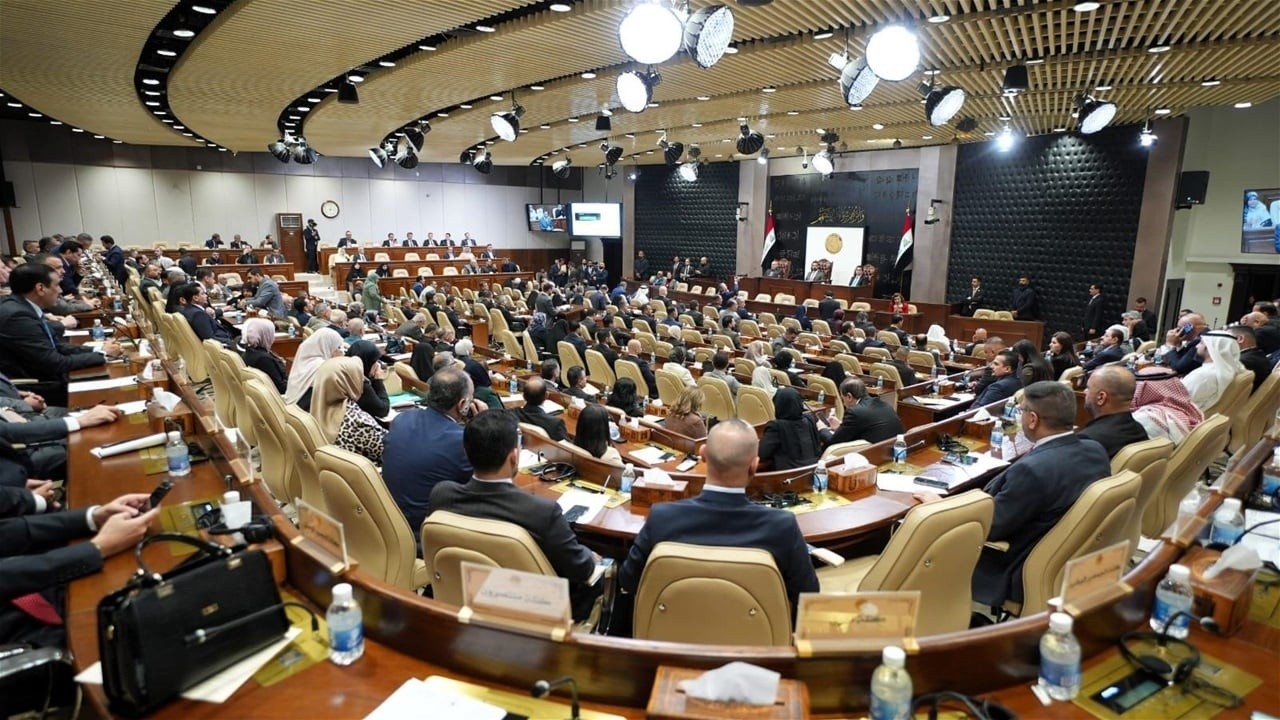
Reconstruction and Development Bloc Returns to Parliament Sessions Following Referral of MP Al-Kilabi to Disciplinary Committee
11 hours ago
Federal Supreme Court Annuls Decision Banning Foreign Ownership and Investment in Iraq
11 hours ago