
Escondida Copper Mine Faces Labor Crisis, Potential Strike After Worker Fatality
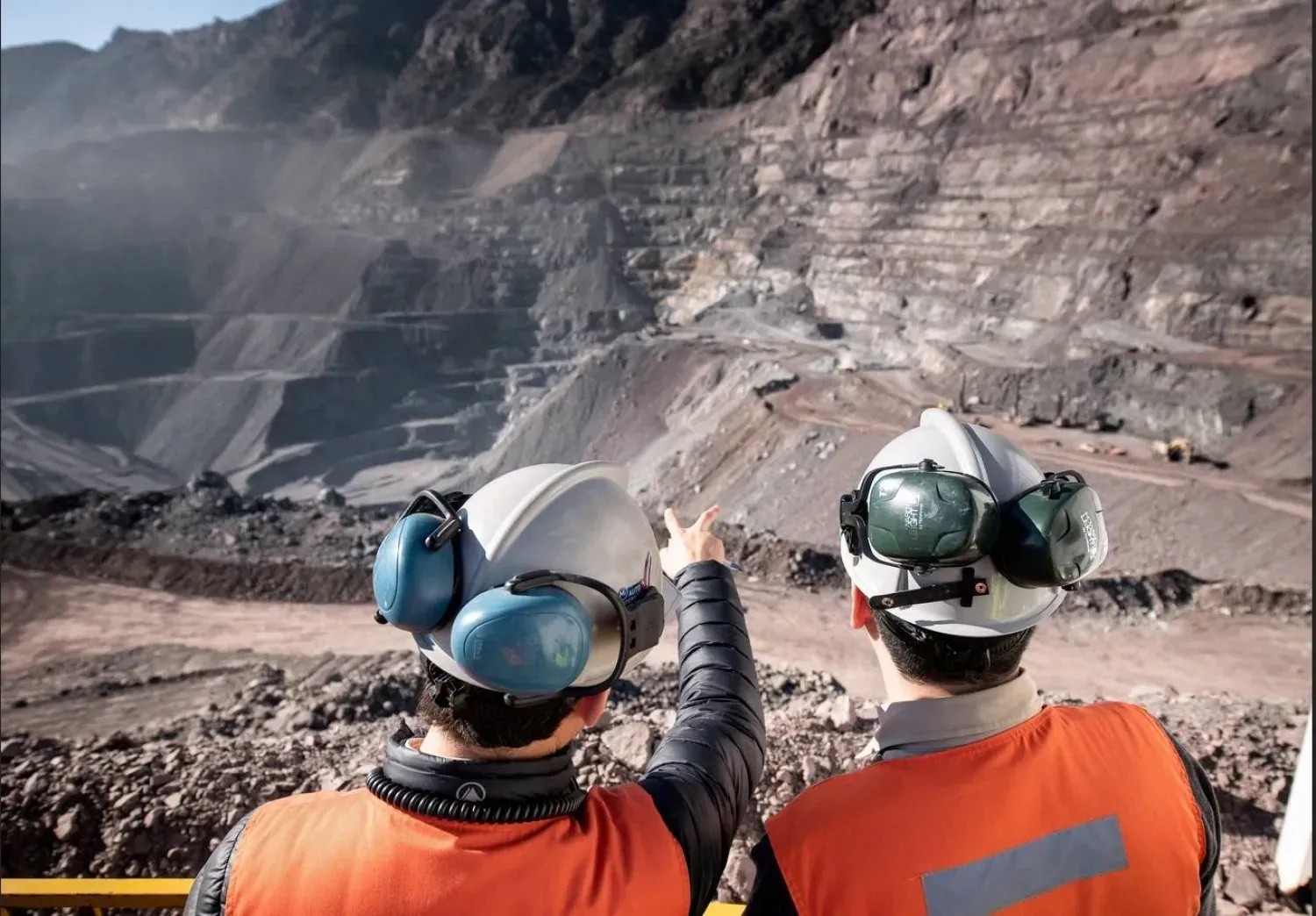
A major labor union at Chile's Escondida mine, the world's largest copper producer, has rejected a request from operator BHP to postpone labor contract negotiations. This refusal follows a fatal accident earlier this week that claimed the life of a worker. The Australian company had sought a temporary suspension of talks with supervisors and employees to focus on the aftermath of the fatality. However, the union representing the supervisors announced its rejection of this request, affirming that negotiations would proceed as scheduled. In a statement, the supervisors' union condemned what it described as the company's "exploitation of this tragedy to demand a suspension of the ongoing collective bargaining process," noting that it had repeatedly warned of deteriorating safety standards within the mine. For its part, BHP clarified in a subsequent statement that its request to pause was aimed at focusing efforts on supporting workers after the incident. It added that "the request for a temporary suspension of the collective negotiation process, an action stipulated by labor law, comes in response to this priority and to focus our efforts on the support and care measures required at this difficult moment." Concurrently, the union representing the mine's workers deemed it "unacceptable" for a significant portion of activities within the mine to continue after the accident. It highlighted that only a limited part of operations ceased following intervention from Sernageomin, the country's mining regulatory authority. The union also strongly criticized the company's attempt to halt new contract discussions with supervisors, asserting: "This request appears to be nothing more than an attempt to stall, which we absolutely reject; a worker's death cannot be transformed into a tool or pretext for achieving other ends." In contrast, BHP stated that it had completely ceased all mining operations following the accident, along with most other operational areas at the site. Supervisors are scheduled to vote next week on the latest formal offer presented by the company. With calls from their union for rejection, this vote could pave the way for an imminent labor strike. Escondida mine management announced on Thursday evening that extraction operations are gradually returning to normal, even as the company continues to assess the situation following the incident. The mine, located in Chile's northern Atacama Desert, is operated by BHP, while Rio Tinto holds a 30% stake, and Japan's JECO owns 12.5%.