
Current Global Conflicts Threaten Diesel Crisis as Harsh Winter Looms
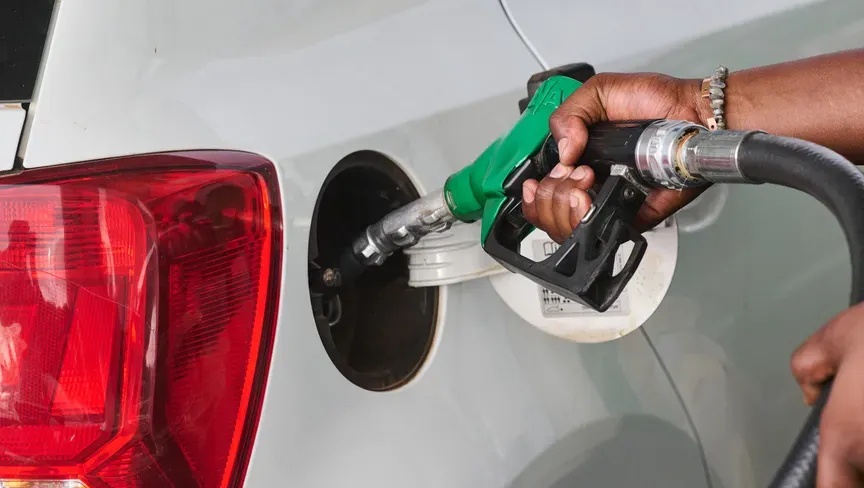
A severe shortage in diesel fuel, exacerbated by escalating conflicts in the Middle East and Ukraine, warns of a deepening crisis that could intensify with the approaching winter and rising expected demand in the Northern Hemisphere. Recent disruptions in the Strait of Hormuz, along with damage to refineries in the Arabian Gulf region, coupled with a wave of Ukrainian attacks on Russian facilities, have significantly constrained diesel exports from areas that collectively accounted for approximately one-third of global diesel shipments last year. Europe is considered the most vulnerable to supply shortages due to its severely limited refining capacities and heavy reliance on external imports. While refineries in the United States and Asia are currently operating at maximum production capacity, rising global demand and dwindling inventory levels signal escalating pressures in the coming months. Buyers traditionally stockpile substantial quantities of diesel, a vital fuel used in transportation, industry, and heating sectors, before temperatures drop. This scenario is further complicated by the potential for some power generators in Asia to increase diesel consumption this year, aiming to offset liquefied natural gas (LNG) supply shortfalls stemming from the Middle East conflict. In the absence of any breakthrough in either conflict, refineries in Asia and the U.S. are expected to cut their diesel exports as winter approaches, prioritizing the rising domestic demand in their respective markets. Eugene Lindell, head of refined products at the consulting firm FGE NexantECA, stated: "Europe faces a tremendous diesel problem. The situation will worsen, as we are likely to see very high prices," which will, in turn, negatively impact shipping costs, escalate inflation rates, and place political pressures on the governments concerned. Diesel price gains are accelerating at a pace significantly outpacing the rise in crude oil prices. The price of diesel on ICE Futures Europe, a global benchmark, has increased by about 40% from its lowest level on June 18, while Brent crude rose by approximately 5% during the same period. Given diesel's pivotal role in vital sectors such as transportation, construction, and industry, this surge is expected to have a significant inflationary impact, even with relatively stable oil prices. Diesel inventories in key importing regions have fallen over the past few months to levels well below their usual seasonal averages. Europe recorded the largest decline in these inventories, with its stocks plummeting by about 30% since the end of March. International sanctions further complicate Europe's supply crisis, according to Rachel Ziemba, an adjunct senior fellow at the Washington-based Center for a New American Security. She explained that restrictions on purchasing Russian refined products remain in effect, while increasingly stringent European Union sanctions work to restrict imports of refined fuel derived from Russian crude via third countries. U.S. refineries shipped record volumes of distillate fuels last week, with diesel constituting the largest portion, and most of these shipments were directed to Europe. However, the continuation of these flows appears unlikely given the rising domestic demand in the United States. Zameer Yusuf, head of clean oil products analytics at Kpler, indicated that "Gulf Coast refineries cannot continue to export diesel to Northwest Europe indefinitely, as they have their own priorities." He added that these refineries typically begin, as the first quarter of next year approaches, to redirect their shipments to U.S. East Coast states to meet winter heating demand. Asia does not appear to be a likely source of significant relief for Europe in this regard; Asian refineries will first need to meet local demand and may prioritize the production of kerosene used for heating purposes in countries such as Japan, which in turn will reduce the volume of diesel available for export, according to John Goh, senior oil market analyst at Sparta Commodities. Despite most traders pointing to indicators of rising diesel prices in Europe this winter, the actual buying season has not yet commenced. The market trajectory will heavily depend on the anticipated temperature levels later in the year and the ability of global refineries to alleviate pressures through their high operating rates. Furthermore, the volume of diesel that China will export in the coming months will play a crucial role in shaping the market outlook. This situation highlights the extent of vulnerability in regions lacking sufficient domestic refining capacities when facing global energy supply shocks. Europe is likely to be hit hardest compared to the other two major supply-deficient markets, Africa and Latin America, as all three regions fiercely compete for diesel shipments originating from the Atlantic Basin, as stated by Lindell of FGE. Goh declared: "We have not yet fully recovered from the repercussions of refining capacity losses in the Middle East, and we have also lost Russian refining capacities." She added, in the context of the anticipated diesel crisis: "What Europe is experiencing is not an immediate crisis, but a crisis whose contours are clearly emerging on the horizon."