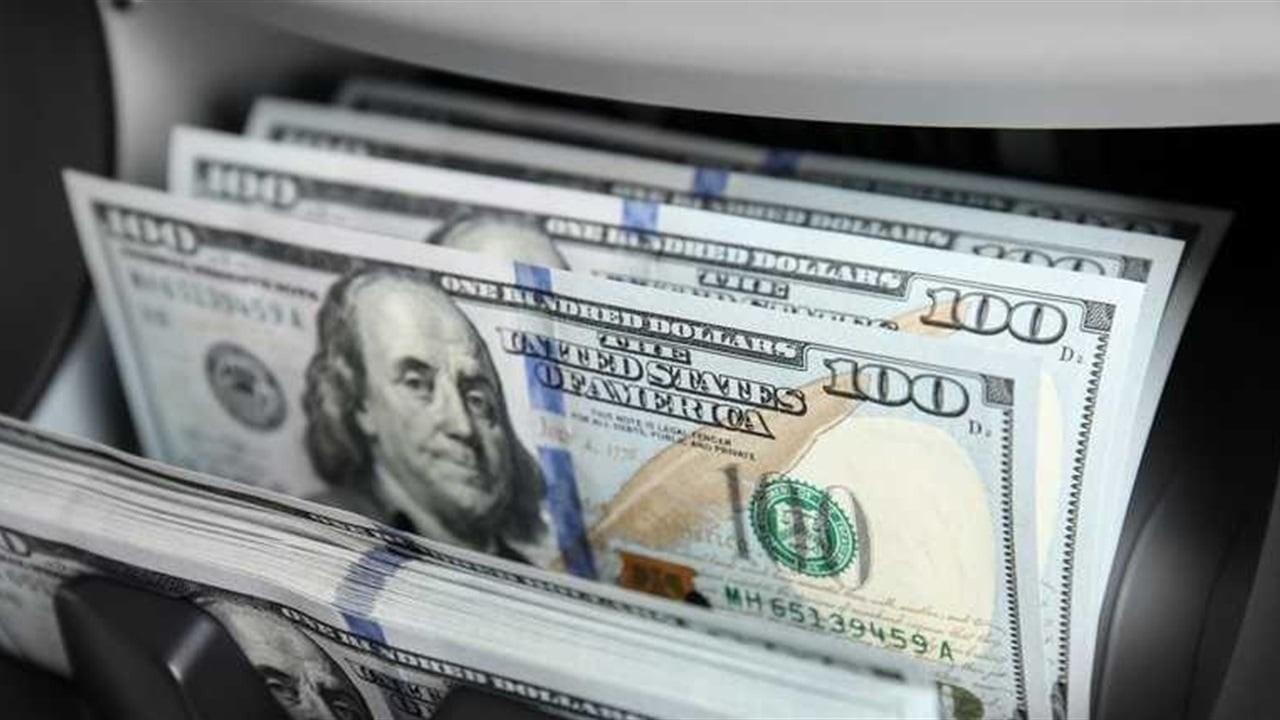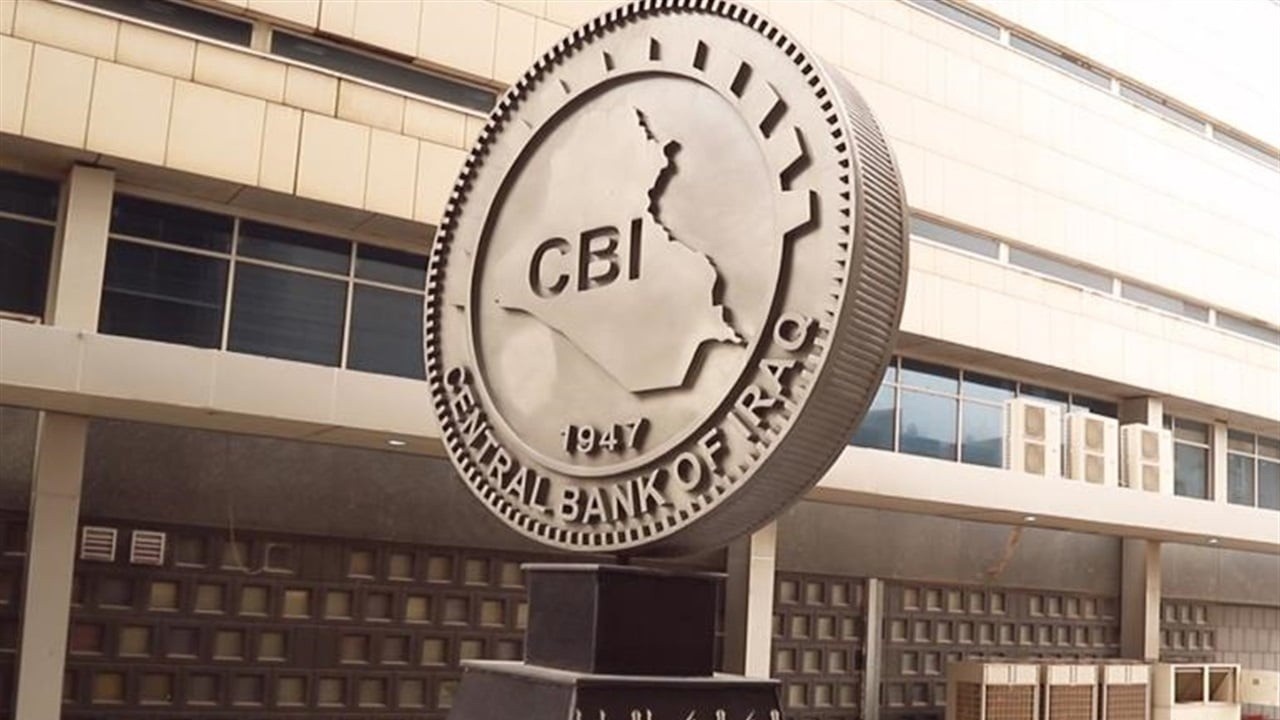
Central Bank Dollar reserves salaries secured
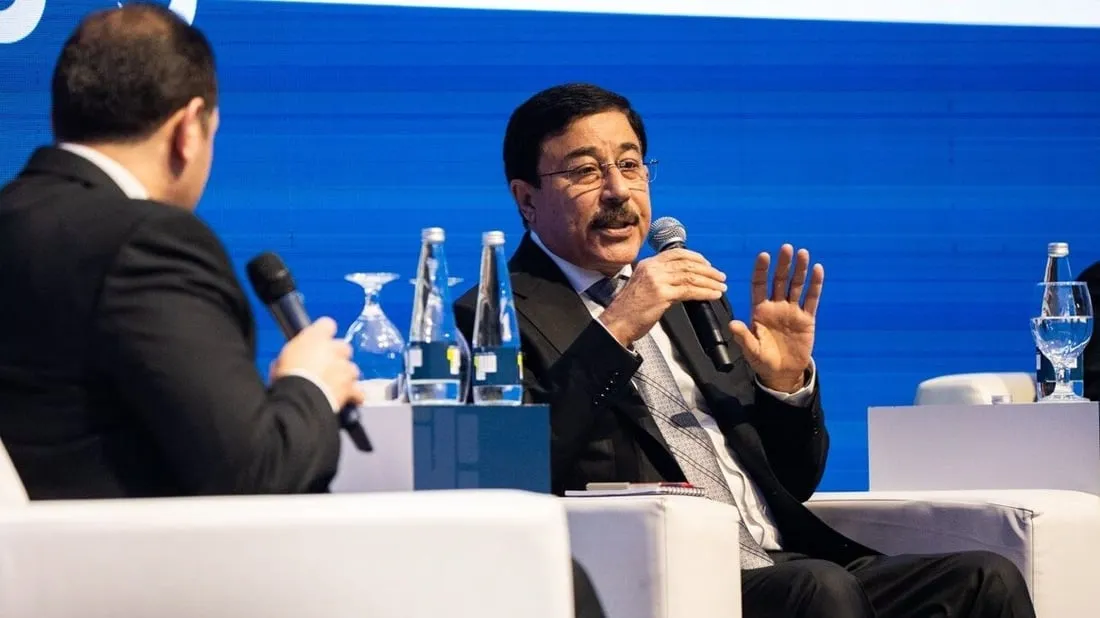
The Governor of the Central Bank of Iraq, Ali Al-Alaq, confirmed that involving the Central Bank in preparing the federal budget represents an "inevitable necessity" to achieve integration between fiscal and monetary policies, noting that this coordination contributes to preventing economic gaps and enhancing financial and monetary stability in the long term.
Al-Alaq explained, in an interview with the official newspaper, that the Central Bank possesses accurate indicators and readings related to cash liquidity, foreign reserves, and money supply levels, making it a key entity in drawing up the general economic policy of the state, alongside the fiscal policy managed by the government and the Ministry of Finance.
He pointed out that the lack of coordination between the two sides could lead to economic imbalances affecting monetary stability, the exchange rate, and inflation levels, stressing that integration between the two institutions contributes to building a more realistic budget capable of facing economic variables.
The Governor of the Central Bank highlighted the importance of the federal budget including clear economic and development goals, noting that the Bank had previously called for adopting a "programs budget" instead of traditional forms, ensuring higher spending efficiency and achieving tangible economic results, but this proposal has not been implemented yet.
On another note, Al-Alaq stressed that the Central Bank continues to work on supporting economic stability through managing foreign reserves and controlling liquidity levels, thereby enhancing the confidence of local markets and investors in the Iraqi economy.
Oil Funds
Al-Alaq stated that Iraqi oil revenues are deposited in US dollars directly into the account of the Ministry of Finance at the Federal Reserve Bank in New York, indicating that they are transferred to the Central Bank of Iraq's account within 24 hours, while a balance is maintained to secure the country's needs, then the Central Bank manages these reserves by investing them in bonds, gold, and other banks to achieve profits.
Exchange Rate
Ali Al-Alaq denied any government or monetary intention to change the exchange rate of the Iraqi dinar against the US dollar, confirming that the current monetary policy focuses on maintaining financial and monetary stability in the country and boosting confidence in the national economy.
He explained that the Central Bank continues to follow measures aimed at supporting market stability and controlling liquidity and inflation levels, to ensure exchange rate stability and protect the economic environment from financial fluctuations.
Regarding the salaries issue, Al-Alaq reassured citizens that salaries are "secured for the foreseeable future," emphasizing that there are no concerns regarding the state's ability to fulfill its financial commitments despite the economic challenges facing the country.
He noted that Iraq possesses the capabilities to overcome current economic conditions through a package of financial measures and economic reforms underway, pointing out that monetary stability is one of the most prominent factors supporting the national economy and maintaining the confidence of local markets and investors.
The Central Bank Governor stressed the importance of the role that the Financial Stability Council can play in preparing the federal budget, contributing to achieving a positive economic impact and enhancing coordination between fiscal and monetary policies to ensure the sustainability of economic stability during the coming phase.
External Borrowing
Regarding external borrowing, Al-Alaq stated that the need for it arises when the state's local resources and savings fail to finance economic development requirements, or to cover the financial deficit resulting from declining revenues, such as a drop in oil prices, warning that the International Monetary Fund imposes conditions and structural reforms in exchange for granting loans.
Regarding the deficit witnessed in the budget, Al-Alaq confirmed that in the past it was a digital deficit and the budget ended without a real deficit, but now the matter is different and there is an actual deficit, warning that the danger of the deficit lies in the fact that it is not emergency, but reflects a defect in the economic structure, and has become chronic and structural, meaning that the state's revenues are still confined to the oil sector.
He pointed out that government expenditures in Iraq are not flexible, but rather fixed and governing, such as salaries, wages, and necessary obligations like food supplies and medicines, indicating that flexibility comes at the expense of the investment budget, which affects the country's economy.
Al-Alaq warned that in countries possessing deep financial markets, there is a possibility to cover the deficit through bonds and loans, whereas in Iraq, the need still exists to possess this depth, recalling that internal debts were concentrated in government banks and the Central Bank, which requires the presence of a financial market with effective tools, given that the lending capacity of government banks has reached high limits.
Parallel Market
The Central Bank Governor stressed the importance of converting expenditures into productive expenditures and expanding their base in the country, adding that Iraq is among the rich nations with the vast wealth it possesses in various regions.
Al-Alaq denied the existence of a problem for the Central Bank in covering the market's need for dollars, explaining that all transfer operations are subject to the Central Bank's supervision, confirming that talk about dollar smuggling is incorrect, and that the price in the parallel market is considered normal compared to what is offered in the market.
He mentioned that Iraq possesses long-term solutions and can attract major investments, urging the necessity of organizing revenue collection in all state sectors and making it beneficial for the federal budget.