
Birth Crisis: Studies Link Fertility Decline to Smartphone Proliferation
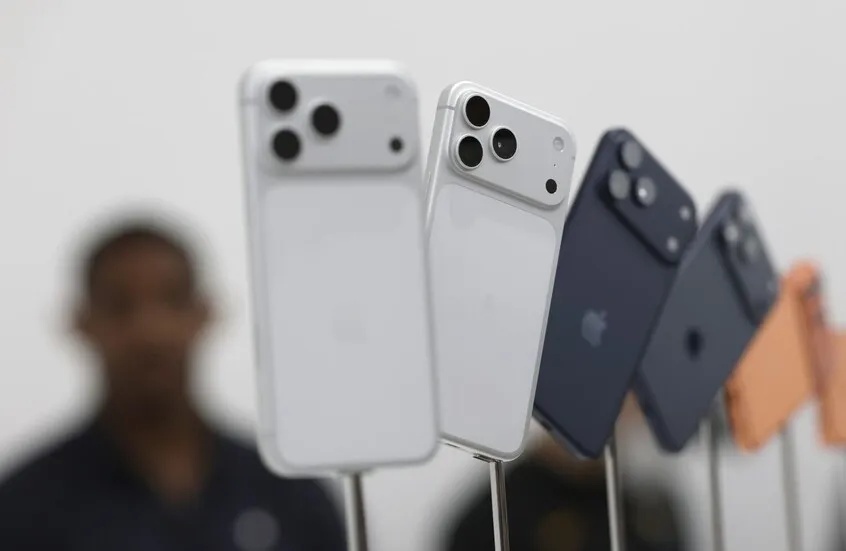
Recent studies indicate that smartphones may be a primary cause of the sharp decline in global birth rates. Researchers behind these two studies believe that smartphone users tend to engage in fewer social interactions in real life, which in turn leads to a decrease in sexual activity. In the United States, the fertility rate has dropped by 22% since 2007, the same year the first Apple iPhone was launched. Scientists have hypothesized a link between this significant decline in birth trends and the emergence of the smart device. To support this hypothesis, two researchers from Middlebury University, Kaitlin Myers and Ezekiel Hooper, based their work on the fact that the iPhone was available in the US between 2007 and 2011 exclusively through a single telecommunications operator network, AT&T. They compared fertility rates in areas covered by this network with other non-covered areas, where iPhone users were presumably absent. Their study, published by the National Bureau of Economic Research, revealed that US counties with network coverage experienced a sharper decrease in the number of children per woman compared to those without coverage. This decline was particularly noticeable among younger age groups (15-24 years old). The researchers noted that the drop in fertility rates is primarily concentrated among young people, largely due to a reduction in unintended births. The researchers clarified that this decrease should not primarily be attributed to the costs of raising children, but rather to a "lack of social interactions and sexual activity." They affirmed that while smartphones are not the sole factor influencing the reduction in children per woman, they represent a major factor that is not affected by pro-natalist policies in countries like France and South Korea, which rely on economic incentives. Two other economists from the University of Cincinnati, Nathan Hudson and Hernan Moscoso Boedo, extended this hypothesis to include 128 countries worldwide. They analyzed World Bank data on smartphone penetration and adolescent fertility rates. They observed that the acceleration of fertility decline coincided with the widespread adoption of smartphones, a phenomenon noted in countries with "fundamentally different health, social, economic, and cultural contexts." In their study published in May, the authors concluded that there is a "shared global technological shock."